Impostor Syndrome Is a Luxury You Can’t Afford

Impostor syndrome isn’t authenticity—it’s a thief of opportunity, influence, and legacy, and you can’t afford to let it run your life. —Joseph C. Kunz, Jr.
Self-Doubt Isn’t Humility — It’s Hesitation That Costs You Influence, Wealth, and Legacy
By Joseph C. Kunz, Jr.
Synopsis
Our culture loves to dress up self-doubt as virtue and call it “authenticity,” but in this essay, Joseph C. Kunz, Jr. argues that impostor syndrome isn’t humility—it’s hesitation with a price tag. It steals opportunities while you overthink, weakens your influence while you wait to be “ready,” and turns capable people into spectators while louder, weaker voices take the stage. Impostor syndrome doesn’t just slow your progress—it quietly hands your seat, your paycheck, and your momentum to someone else.
Kunz frames impostor syndrome as a luxury belief: something only the comfortable can afford to indulge. If you’re building a family, running a business, trying to grow wealth, or leading with faith and responsibility, you don’t have the option of hiding behind doubt. He lays out the real antidote—not affirmations, not motivational noise, but action: moving before you feel ready, anchoring in values instead of moods, and living as if your work and legacy actually depend on you—because they do.
Every minute you indulge impostor syndrome, someone else—less qualified, less committed, and less principled—is stepping into the spot you surrendered. —JCK
I. Introduction: The Myth of “Humble” Self-Doubt
Somewhere along the way, our culture started treating self-doubt like a badge of honor. We praise leaders who confess their insecurities, we applaud professionals who admit they feel like frauds, and we call it “authenticity.” But let’s get real: impostor syndrome isn’t humility—it’s hesitation. It’s procrastination dressed up in respectable language.
Humility is showing up, doing the work, and letting results speak louder than ego. Impostor syndrome is the opposite. It’s pulling back, second-guessing, and waiting to be chosen while others step in and take the rewards. That might feel safe in the moment, but over time, it costs you everything—opportunity, influence, wealth, and legacy.
II. What Impostor Syndrome Really Costs You
A. Lost Opportunities
When you convince yourself you’re not ready, you hesitate. And in the space your hesitation creates, someone else seizes the moment. Life doesn’t pause until you feel confident. The doors close whether you step through them or not.
B. Weakened Influence
Doubt is contagious. When you shrink back, you teach others to distrust you. They wonder if you’re really up for the role, if you really believe in yourself, if you can really lead. Influence doesn’t belong to the most qualified—it belongs to the most visible, the most decisive, the one willing to stand up and say, “Follow me.”
C. A Broken Legacy
Here’s the hardest truth: impostor syndrome doesn’t just steal from you. It steals from your family, your team, your community. Your children and employees don’t just hear your words—they mirror your posture. If you teach them hesitation, they will inherit hesitation. And that’s a legacy of fear, not strength.
III. Why It’s a Luxury Belief
Let’s be blunt: only the comfortable can afford impostor syndrome. Only those with nothing at stake can waste time wallowing in self-doubt.
If you’re raising a family, running a business, or trying to leave something better for the next generation, you don’t have that luxury. Builders don’t get to indulge in insecurity. Responsibility leaves no room for endless navel-gazing.
While you’re questioning whether you belong, someone with half your experience but twice your boldness is out there collecting the paycheck, building the company, and shaping the future. And when you realize it, it’ll be too late—you’ll have handed over your influence to someone else.
IV. Impostor Syndrome in Real Life
A. Fatherhood
Every dad knows the nagging voice: “You don’t know enough. You’ll screw this up. You’re not as strong or wise as your father.”That’s impostor syndrome at work. But kids don’t need a flawless father—they need a present one. They don’t need you to have every answer—they need you to model courage, stability, and love. Shrinking back from fatherhood because of fear doesn’t protect your family. It weakens them.
B. Running a Business
The business world is brutal. Impostor syndrome whispers: “You didn’t go to Harvard. You don’t have the credentials. Who are you to charge that much or compete with the big guys?” The market doesn’t care about your résumé. It cares about results. If you undersell yourself, avoid risks, or stay quiet, you won’t be rewarded for your humility—you’ll be buried by competitors who act boldly while you’re still hesitating.
C. The Daily Workday Job
Impostor syndrome thrives in the office. It tells you: “Don’t ask for that raise. Don’t volunteer for that project. Keep your head down, and maybe someone will notice you.” Wrong. Visibility matters as much as competence. Influence goes to the person willing to raise a hand, not the one who hides in the back row. If you keep waiting to be chosen, you’ll end up invisible—and invisible people get replaced.
D. Faith & Responsibility
Spiritually, impostor syndrome whispers: “You’re not holy enough, disciplined enough, good enough. Who are you to lead?” But faith was never about being worthy—it’s about showing up. God doesn’t call the perfect; He equips the willing. Leadership in faith is about action: telling the truth, taking responsibility, and building habits that serve others. Doubt can’t be your excuse to duck responsibility.
E. Wealth & Legacy
Financially, impostor syndrome says: “Who are you to build wealth? You didn’t grow up rich. You don’t deserve abundance.” That lie keeps entire families poor for generations. Wealth is not about pedigree—it’s about discipline, strategy, and courage. When you believe you’re “not the type” to build wealth, you chain your children to that same mindset. Legacy demands boldness, not excuses.
V. The Real Antidote: Action, Not Affirmations
A. Act First, Confidence Follows
Confidence is a lagging indicator. It shows up after you take action, not before. Stop waiting for the feeling—move, and the feeling will catch up.
B. Anchor in Values, Not Feelings
Feelings fluctuate like the weather. One day you’ll feel brilliant; the next day you’ll feel like a fraud. Values don’t fluctuate. Discipline, faith, responsibility—those remain solid even when emotions swing wildly.
C. Surround Yourself with Builders
The people closest to you either amplify your doubts or your courage. Choose wisely. A circle of strong builders drowns out impostor syndrome faster than a thousand self-help books.
VI. Conclusion: The Call to Boldness
The world doesn’t need more timid people waiting to be chosen. It needs fathers who show up, business owners who lead with conviction, employees who step up, believers who live boldly, and men and women willing to pass down strength instead of hesitation.
Impostor syndrome is not humility. It’s not authenticity. It’s a trap. And you can’t afford it—not if you want to win at work, lead your family, grow wealth, and leave a legacy that outlasts you.
Impostor syndrome dies the moment you stop waiting for permission and start living as if your family, your work, and your legacy depend on you—because they do. —JCK
Related Reading: For Those Who Refuse to Play Small
If this essay exposed the cost of hesitation, these will show you how to take bold action.
1. Discipline Isn’t Sexy, But It Pays Better Than Passion
Passion might get the applause, but discipline gets the results—and that’s what builds wealth, freedom, and legacy.
Reader Comment: This essay reminded me that passion is fleeting, but showing up with discipline is what actually changes a family’s future.
2. Freedom Starts in Your Mind, Not Your Bank Account
Real freedom has little to do with dollars and everything to do with how you think—choosing discipline over drift, responsibility over blame, and courage over fear.
Quote: Freedom doesn’t come from a balance sheet; it starts the moment you decide to take ownership of your life. —JCK
The Book Behind This Essay: Stop Apologizing for Winning
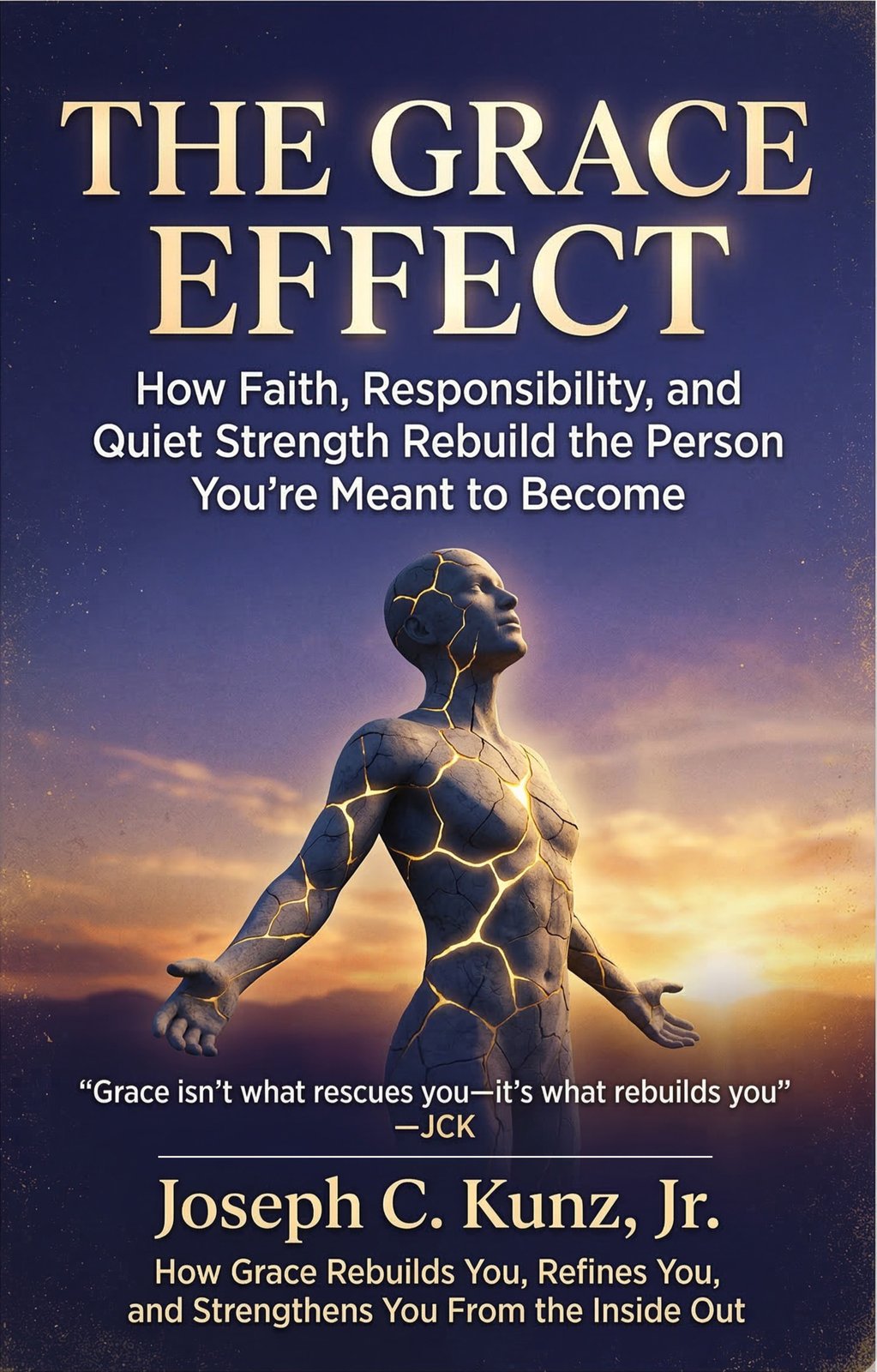
If you’ve been walking around with imposter syndrome like it’s some badge of honor, rip it off and throw it in the trash. Nobody’s handing out medals for self-doubt.
Every time you hesitate, you rob your family of the leader they deserve, your business of the boss it needs, and your legacy of the strength it demands.
Life is too short for rented fear. In The Grace Effect, I’ll show you how to torch the excuses, bury the doubt, and step into the role God already equipped you to play.
This isn’t about ego—it’s about responsibility. And if you don’t own it, someone else will.
So stop apologizing for being here. You belong. Now act like it.
Discover The Grace Effect and learn how to live it out every single day.
Check back for the release.